
The healthcare system in the United States has undergone a profound transformation over the past few decades, driven by technological advancements, policy reforms, and a growing emphasis on patient-centered care. At the core of this evolution are healthcare leaders who continuously adapt to complex challenges while striving to improve outcomes, reduce costs, and enhance accessibility.
Traditionally, healthcare leadership was largely administrative, focused on managing hospital operations, staffing, and compliance. However, modern healthcare leaders are expected to be visionaries who can integrate innovation into everyday practices. With the rise of digital health technologies such as electronic health records (EHRs), artificial intelligence (AI), and telemedicine, leaders must possess both clinical understanding and technological insight.
One of the most significant shifts in U.S. healthcare leadership is the adoption of value-based care. Unlike the traditional fee-for-service model, value-based care emphasizes patient outcomes rather than the volume of services provided. This shift requires leaders to rethink care delivery models, improve coordination among providers, and invest in preventive care strategies. As a result, healthcare executives are increasingly focusing on data-driven decision-making to track performance and identify areas for improvement.
Another critical aspect of modern healthcare leadership is workforce management. The COVID-19 pandemic highlighted the importance of supporting healthcare professionals, addressing burnout, and ensuring workforce resilience. Leaders are now prioritizing employee well-being, professional development, and creating a culture of collaboration. Strong leadership in this area not only improves staff satisfaction but also directly impacts patient care quality.
Diversity, equity, and inclusion (DEI) have also become central to healthcare leadership in the United States. Leaders are working to address disparities in healthcare access and outcomes among different populations. By promoting inclusive policies and culturally competent care, healthcare organizations aim to build trust within communities and ensure equitable treatment for all patients.
Furthermore, healthcare leaders are increasingly collaborating with external stakeholders, including government agencies, technology companies, and community organizations. These partnerships enable the development of innovative solutions to complex healthcare challenges, such as expanding access to rural areas and improving chronic disease management.
Financial sustainability remains a key concern for healthcare organizations. Rising costs, regulatory changes, and reimbursement pressures require leaders to be strategic in resource allocation. Effective leaders balance financial performance with the mission of delivering high-quality patient care.
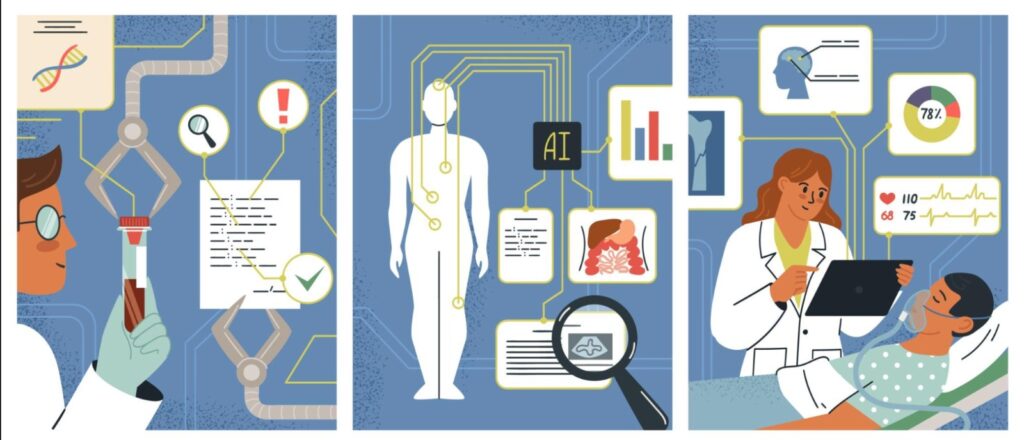
Looking ahead, the role of healthcare leaders will continue to evolve as new challenges and opportunities emerge. Advances in genomics, personalized medicine, and digital health will further transform the industry. Leaders who embrace innovation, prioritize patient-centered care, and foster resilient organizations will be best positioned to succeed in this dynamic environment.
In conclusion, healthcare leadership in the United States is no longer confined to administrative functions. It is a multifaceted role that demands strategic thinking, technological expertise, and a deep commitment to improving patient outcomes. As the healthcare landscape continues to change, strong leadership will remain essential in shaping the future of care.